

.svg)


.svg)
.svg)







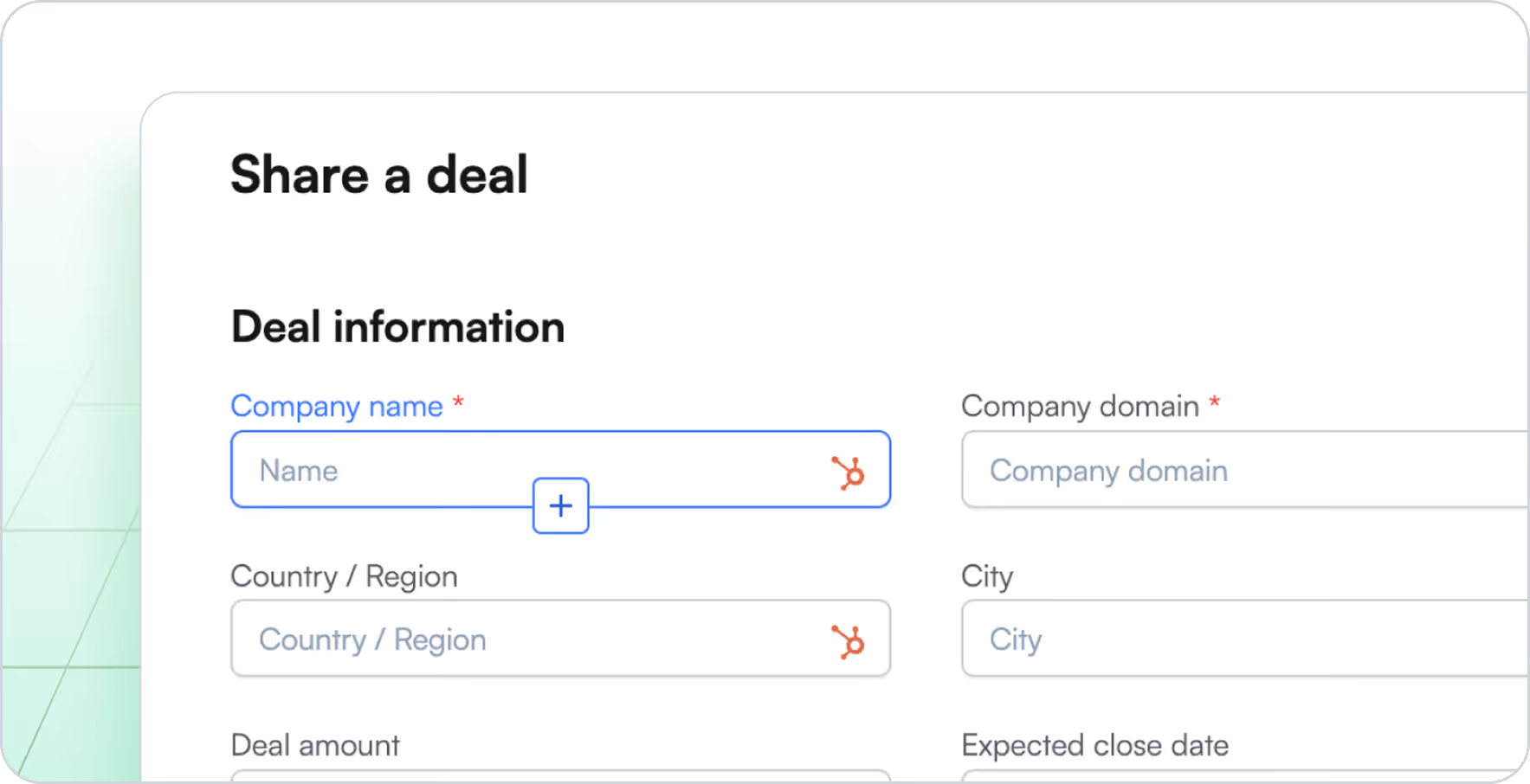


Die Gesundheit eines Channel-Programms lässt sich in den ruhigen Momenten zwischen E-Mails spüren. Ein Reseller entdeckt einen vielversprechenden Account, sendet Details und wartet. An anderer Stelle erwähnt ein anderer Partner dieselbe Gelegenheit. Die Threads vermehren sich. Wenn jemand das CRM überprüft, ist unklar, wer zuerst da war oder ob der Endkunde überhaupt ein Meeting wünscht. Das Vertrauen sinkt, die Geschwindigkeit stagniert. Genau dieses Chaos soll durch die Registrierung von Partnergeschäften verhindert werden. Die Lösung sind nicht mehr Richtlinien, sondern ein übersichtlicherer Ablauf, den die Partner tatsächlich nutzen.
Was Partner Deal Registration wirklich ist
Bevor wir die Mechanismen abstimmen, sollten wir uns über die Bedeutung einigen. Die Registrierung von Partnergeschäften ist eine einfache Vereinbarung: Ein Partner für die Registrierung von Geschäften bringt Ihnen eine potenzielle Verkaufschance, Sie prüfen diese schnell und wenn sie geeignet ist, gewähren Sie klare Vorteile für einen festgelegten Zeitraum und machen sie für Ihr Vertriebsteam sichtbar. Im Gegenzug verpflichtet sich der Partner zu den nächsten Schritten. Das Ergebnis ist ein einziger, mit dem CRM synchronisierter Datensatz, der den Verkaufsprozess steuert, anstatt ein separates System, dem niemand vertraut.
Dies ist aus drei Gründen wichtig: Es schützt die Investitionen der Partner, begrenzt Vertriebskonflikte, wenn mehrere Partner dieselbe Gelegenheit wahrnehmen, und ermöglicht einen frühen Einblick in neue Geschäfte, was die Umsatzprognosen präzisiert.
Warum Partner sich registrieren – oder es stillschweigend unterlassen
Partner rechnen schnell. Wenn das Einreichen eines Partner-Deal-Registrierungsformulars zwei Minuten dauert und Entscheidungen schnell getroffen werden, registrieren sie sich. Wenn der Genehmigungsprozess undurchsichtig oder langsam ist, wickeln sie das Geschäft außerbuchlich ab. Akzeptanz wird durch Respekt vor der Zeit der Partner und durch die Belohnung echter Fortschritte erreicht, nicht nur durch erste Klicks.
3 Signale, dass Ihr Programm die Zeit Ihres Partners respektiert
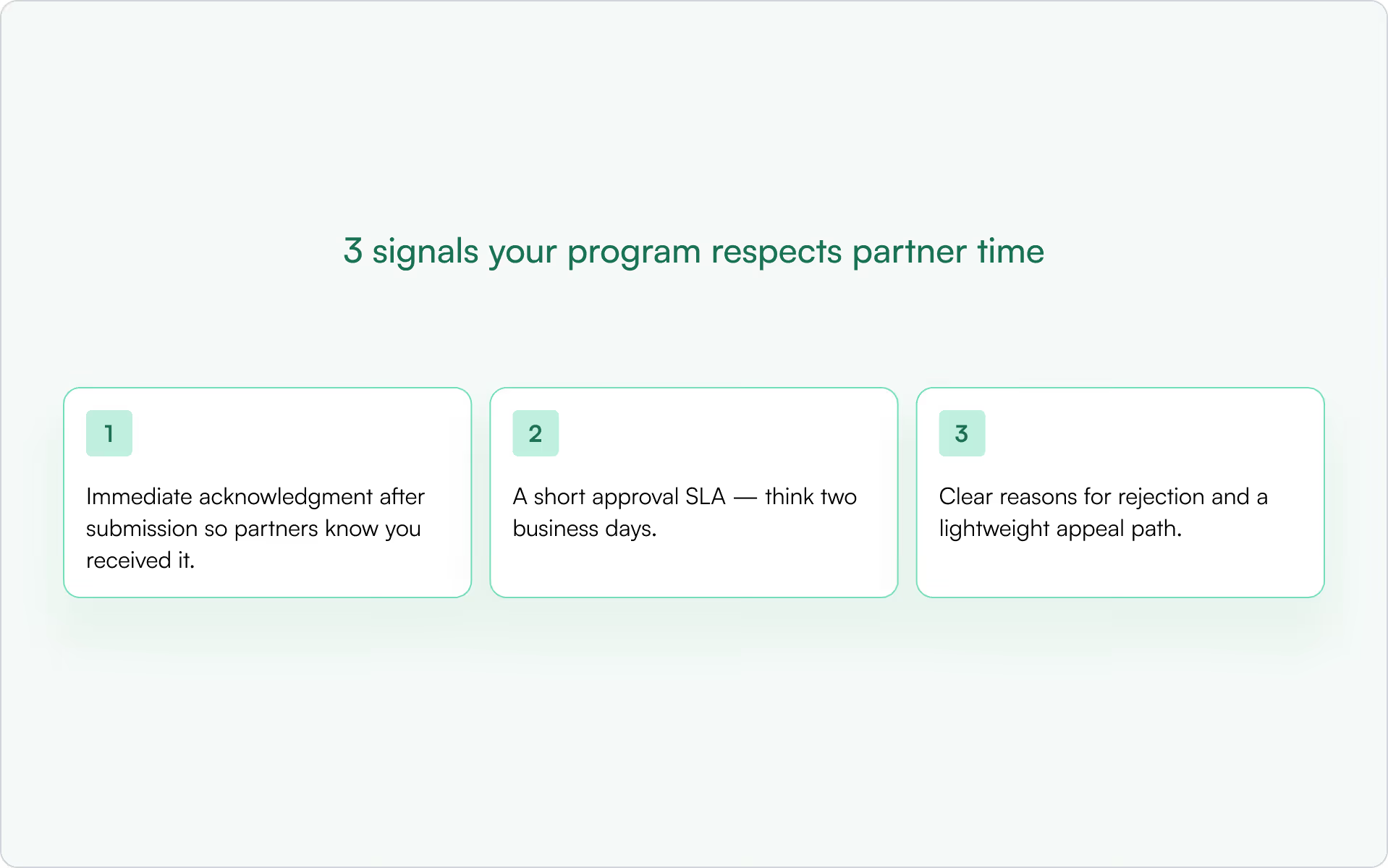
- Sofortige Bestätigung nach der Einreichung, damit die Partner wissen, dass Sie sie erhalten haben.
- Eine kurze Genehmigungs-SLA – denken Sie an zwei Werktage.
- Klare Gründe für die Ablehnung und ein unkomplizierter Weg für Einsprüche.
Diese Signale steigern die Zufriedenheit der Partner, selbst wenn die Antwort „Nein“ lautet, da der Prozess als fair empfunden wird.
Faire Genehmigungen ohne Drama
Durch Genehmigungen gewinnen oder verlieren Programme Vertrauen. Partner erwarten keine pauschale Zustimmung, sondern klare, wiederholbare Regeln. Veröffentlichen Sie einfache Kriterien und halten Sie sich daran: neue Geschäftsmöglichkeiten, verifizierter Kundenkontakt, plausibler Zeitplan und keine widersprüchlichen registrierten Geschäfte. Fügen Sie ein definiertes Schutzfenster mit einer ebenso klaren Verlängerungsregel hinzu, die an den Fortschritt geknüpft ist (z. B. gebuchte Entdeckung oder geplante Lösungsvalidierung).
Wenn Ihr Team schnell entscheidet und begründet, warum, bleiben Partner engagiert, auch wenn sie nicht bei jeder Anfrage den Zuschlag erhalten. Intern profitieren auch Ihre Verkäufer davon – registrierte Geschäfte werden in derselben Pipeline mit denselben Feldern und denselben Statuswerten angezeigt, die sie bereits verwenden.
Kanalkonflikte vermeiden, ohne Partner zu verunsichern
Konflikte entstehen in der Regel durch Unklarheiten: Mehrere Partner streben denselben Firmennamen an, oder eine geschützte Registrierung verliert an Bedeutung, blockiert aber andere. Halten Sie die Lage mit klaren Richtlinien unter Kontrolle.
4 Regeln, die Kämpfe um „gleiche Chancen“ verhindern:
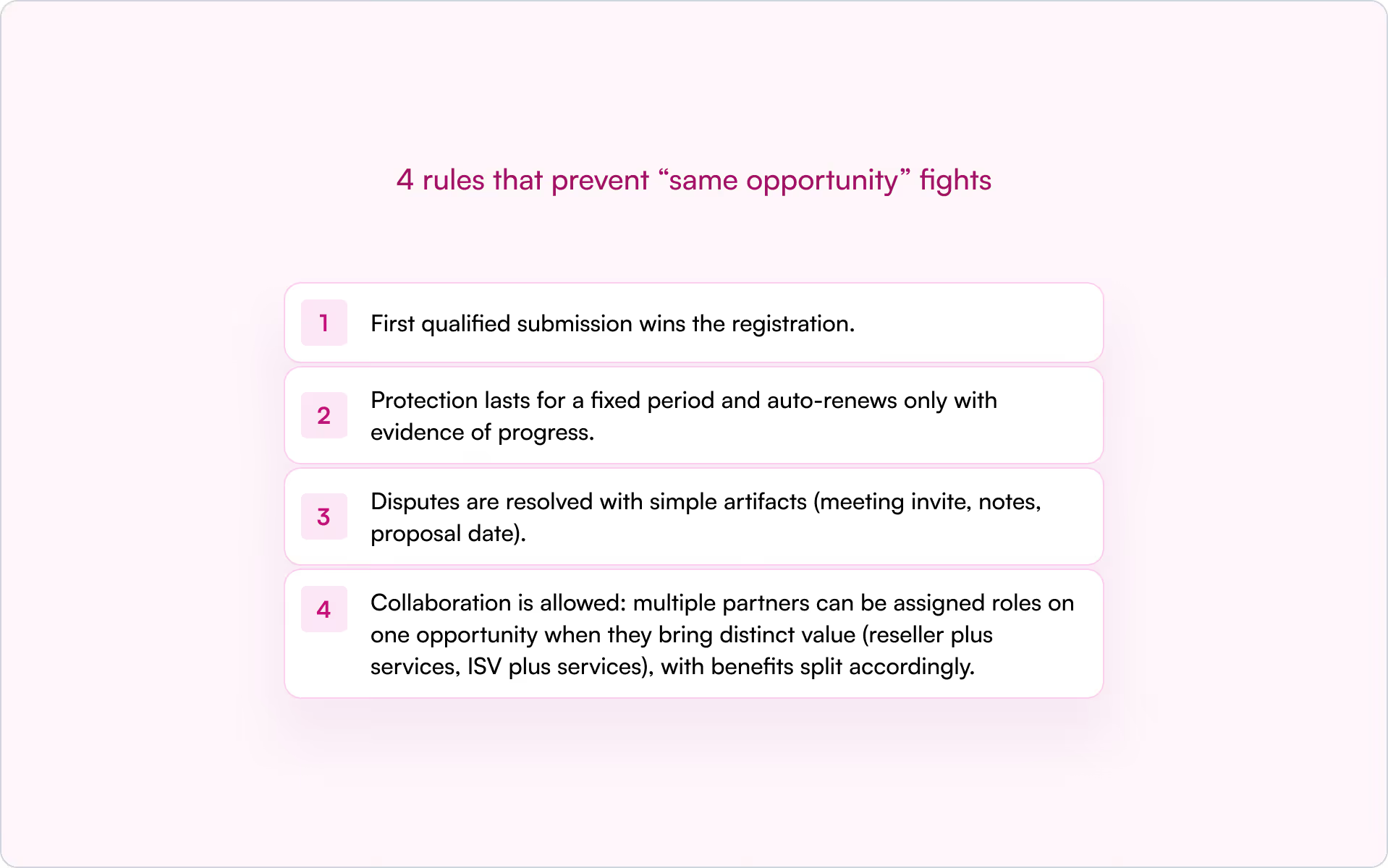
- Die erste qualifizierte Einreichung gewinnt die Registrierung.
- Der Schutz gilt für einen festgelegten Zeitraum und verlängert sich automatisch nur bei Nachweis von Fortschritten.
- Streitigkeiten werden mit einfachen Artefakten (Einladungen zu Besprechungen, Notizen, Terminvorschläge) gelöst.
- Zusammenarbeit ist zulässig: Mehreren Partnern können Rollen für eine Opportunity zugewiesen werden, wenn sie einen eindeutigen Mehrwert bieten (Reseller plus Services, ISV plus Services), wobei die Vorteile entsprechend aufgeteilt werden.
Ein paar einfache Regeln, die konsequent durchgesetzt werden, tragen mehr zum Vertrauen der Partner bei als eine lange Richtlinie in einem Portal, die niemand liest.
Vorteile, die echte Arbeit belohnen
Ein Deal-Registrierungsprogramm sollte die richtigen Vertriebsmaßnahmen fördern und nicht nur Rabatte vergeben. Bieten Sie kleine Vorteile für eine genehmigte Registrierung, stärkere Unterstützung, sobald sich eine Dynamik abzeichnet, und materielle Belohnungen, wenn der Deal abgeschlossen wird.
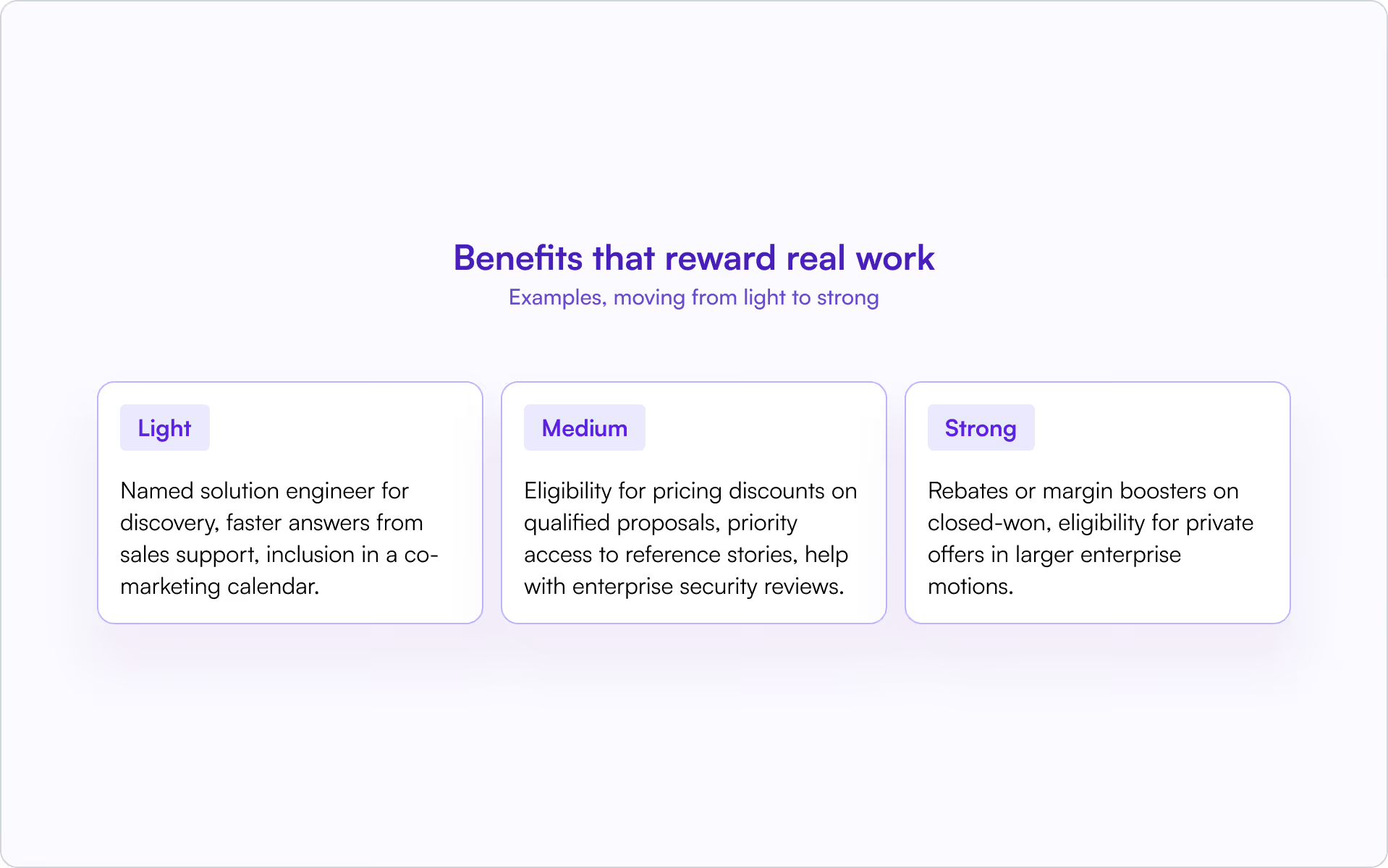
Beispiele, von leicht bis stark
- Light: zum Solution Engineer für Discovery ernannt, schnellere Antworten vom Vertriebs-Support, Aufnahme in einen Co-Marketing-Kalender.
- Medium: Anspruch auf Preisnachlässe für qualifizierte Angebote, vorrangiger Zugang zu Referenzberichten, Unterstützung bei Sicherheitsüberprüfungen für Unternehmen.
- Stark: Rabatte oder Margensteigerungen bei abgeschlossenen Geschäften, Berechtigung für private Angebote bei größeren Unternehmensvorhaben.
Verbinden Sie jeden Vorteil mit beobachtbaren Meilensteinen im CRM, damit sich die Partnerbelohnungen verdient anfühlen und die Finanzabteilung eine klare Zuordnung sieht.
Alles gehört in Ihr CRM
Programme scheitern, wenn registrierte Geschäfte in einem Portal gespeichert sind und das Vertriebsteam ein anderes System verwendet. Beenden Sie diese Trennung. Jede Registrierung sollte einen CRM-Datensatz erstellen oder mit diesem verknüpfen und Statusfelder aktualisieren, die Ihr Team bereits versteht. Das sorgt für eine ehrliche Vertriebs-Pipeline, verbessert die Umsatzprognosen und verhindert doppelte Dateneingaben.
Introw wurde genau für diesen Zweck entwickelt. Partner können eine Registrierung ohne Portal-Login einreichen. Das System überprüft in Echtzeit auf Duplikate, erstellt die Registrierung, verknüpft die Opportunity und sendet sofort eine Bestätigung. Statusänderungen werden in beide Richtungen synchronisiert, sodass Partner sehen, was Verkäufer sehen – keine Screenshots, keine separaten Tabellen.
Was Sie messen sollten, um sich zu verbessern
Durch Messungen wird ein Deal-Registrierungsprogramm zu einem Wachstumsmotor statt zu einer Warteschlange.
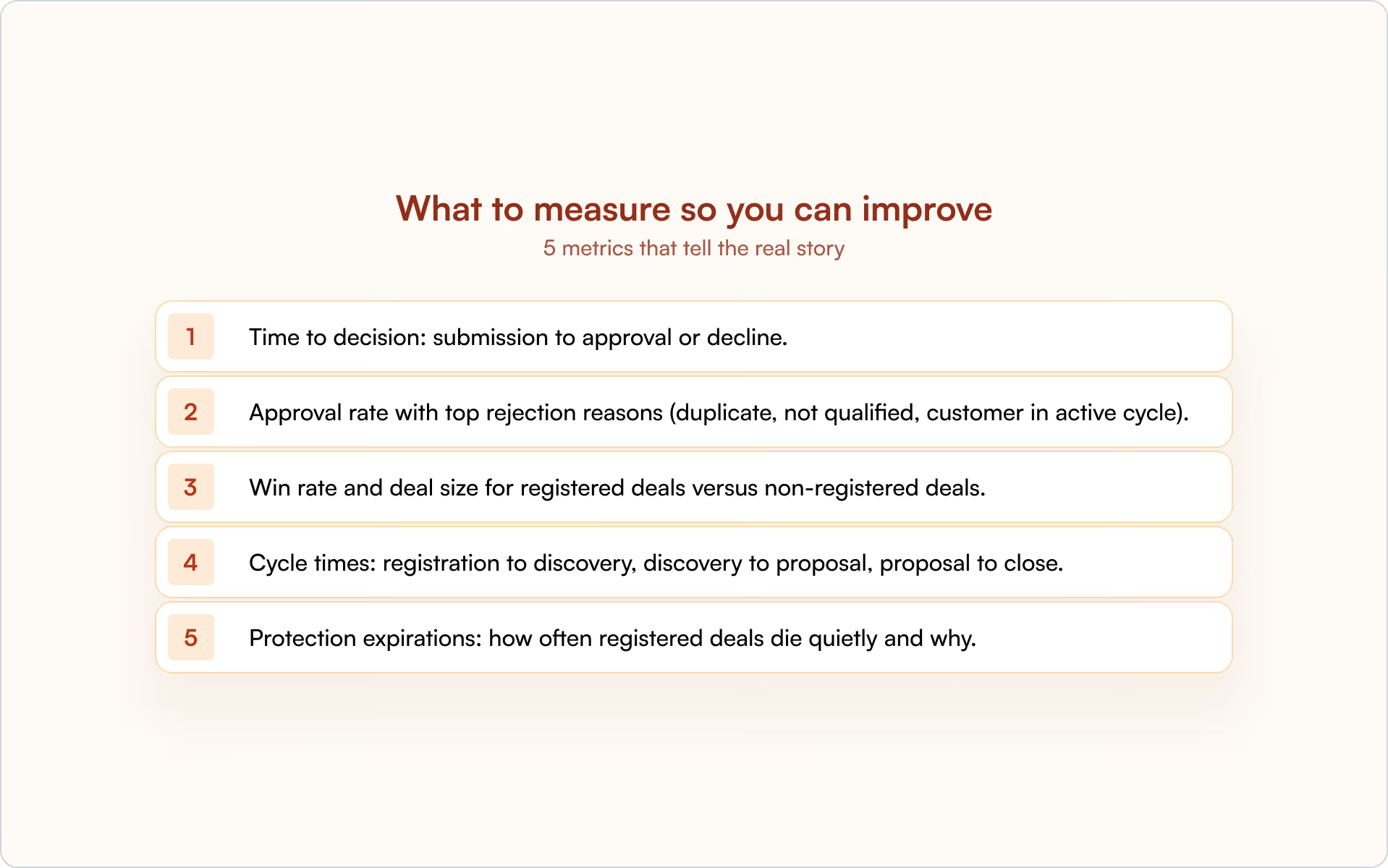
5 Kennzahlen, die die wahre Geschichte erzählen
- Zeit bis zur Entscheidung: Einreichung zur Genehmigung oder Ablehnung.
- Genehmigungsquote mit den häufigsten Ablehnungsgründen (Duplikat, nicht qualifiziert, Kunde im aktiven Zyklus).
- Gewinnquote und Geschäftsvolumen für registrierte Geschäfte im Vergleich zu nicht registrierten Geschäften.
- Zykluszeiten: Registrierung bis Entdeckung, Entdeckung bis Vorschlag, Vorschlag bis Abschluss.
- Ablauf von Schutzrechten: Wie oft registrierte Geschäfte stillschweigend auslaufen und warum.
Verwenden Sie diese, um den Registrierungsprozess, die Vorteile und Ihre Zusammenarbeit mit Vertriebspartnern zu optimieren.
Wie sich dies mit dem Wachstum Ihres Partner-Ökosystems skaliert
Wachstum bringt Sonderfälle mit sich – mehrere Partner für eine einzige Verkaufschance, regionale Übergaben, gemeinsamer Vertrieb mit einem Cloud-Anbieter oder reine Dienstleistungen nach einem Direktverkauf. Vermeiden Sie es, für jedes Szenario einen neuen Prozess zu entwickeln. Behalten Sie einen einheitlichen Prozess für die Registrierung von Geschäften bei, lassen Sie mehrere Rollen für dieselbe Verkaufschance zu, wenn dies gerechtfertigt ist, und teilen Sie die Prämien entsprechend den dokumentierten Beiträgen auf. So bleibt Ihr Partnerprogramm verständlich und Ihr Team effizient.
Wo Introw passt
Introw macht die Registrierung von Partnergeschäften für Partner einfach und für Ihr Team operativ sauber – ohne Partner zu zwingen, ein Portal zu nutzen, das sie nicht verwenden werden. Partner reichen ihre Daten über einen Link ein (ohne Anmeldung), Introw validiert und dedupliziert sie in Echtzeit, und die Registrierung wird direkt mit Salesforce oder HubSpot.
Der große Vorteil ist die Transparenz der Pipeline in dem Moment, in dem ein Geschäft eingereicht wird: Die von Partnern bereitgestellte Pipeline wird in Ihrem CRM angezeigt, wo Ihr Team bereits Pipeline-Überprüfungen, Berichte und Prognosen durchführt – so müssen Partner-/Channel-Manager nicht mehr mühsam Updates in E-Mail-Verläufen suchen. Introw ordnet Registrierungen außerdem den richtigen CRM-Feldern zu, sodass die Berichterstattung ohne manuelle Bereinigung auf dem neuesten Stand bleibt, was Prognosen in großem Maßstab zuverlässig macht.
Und da die Zusammenarbeit außerhalb des Portals stattfindet, können Partner Status-Updates per E-Mail oder Slack erhalten und direkt antworten – so bleibt die Dynamik hoch, während die CRM-Aufzeichnungen weiterhin maßgeblich sind.
Wenn Sie eine Registrierung von Channel-Partner-Deals wünschen, die Ihre Partner tatsächlich nutzen, und eine CRM-Ansicht, der Ihre Vertriebs- und RevOps-Teams wirklich vertrauen, vereinbaren Sie eine kurze Introw-Demo. Wir zeigen Ihnen, wie „einfach, schnell und CRM-synchronisiert“ aussieht, mit Live-Transparenz der Pipeline von der Einreichung bis zum Abschluss.

Was ist Partner Deal Registration, einfach ausgedrückt?
Es handelt sich um einen schnellen Prozess, bei dem ein Partner Ihnen eine neue Verkaufschance mitteilt, Sie diese prüfen und entweder genehmigen oder ablehnen und bei Genehmigung definierte Vorteile und vorübergehenden Schutz gewähren. Der registrierte Deal wird dann in Ihrem CRM gespeichert, sodass Ihr interner Verkaufsprozess und die Bemühungen des Partners aufeinander abgestimmt bleiben.
Wie lange sollte die Genehmigung dauern?
Streben Sie eine Bearbeitungszeit von zwei Werktagen zwischen Antragstellung und Entscheidung an. Senden Sie eine sofortige Empfangsbestätigung, veröffentlichen Sie Ihre Kriterien im Voraus und ermöglichen Sie eine kurze Einspruchsfrist mit Nachweisen. Schnelligkeit und Klarheit fördern die Zufriedenheit und Akzeptanz Ihrer Partner.
Was passiert, wenn mehrere Partner dieselbe Gelegenheit registrieren?
Verwenden Sie die Regeln für die erste qualifizierte Einreichung und den Fortschritt. Wenn zwei Partner unterschiedliche Werte einbringen (z. B. Wiederverkäufer und Dienstleistungen), weisen Sie ihnen Rollen für dieselbe Verkaufschance zu und teilen Sie die Vorteile entsprechend auf. Treffen Sie schnelle Entscheidungen anhand einfacher Hilfsmittel wie Einladungen zu Besprechungen und Terminen für Angebote, um das Vertrauen aufrechtzuerhalten.
Welche Vorteile motivieren Partner, ohne dass sie zu viel bezahlen?
Bieten Sie bei Genehmigung geringfügige Vorteile (schnellerer Support, SE-Zeit), stärkeren Support, sobald sich eine Dynamik abzeichnet (Rabattberechtigung, Referenzzugang), und materielle Belohnungen bei abgeschlossenen Geschäften (Rabatte oder Margensteigerungen). Verknüpfen Sie jeden Vorteil mit CRM-Meilensteinen, damit die Belohnungen fair und überprüfbar sind.
Benötige ich ein Portal, um die Registrierung von Geschäften durchzuführen?
Nein. Die Akzeptanz steigt, wenn Partner ohne Anmeldung Daten übermitteln und den Status in den Tools einsehen können, die sie bereits verwenden. Mit Introw funktionieren Übermittlungen über sichere Links, Statusaktualisierungen erfolgen per E-Mail oder Slack, und die Gelegenheit ist immer in Ihrem CRM verfügbar, synchronisiert und sichtbar.




.png)

.png)
.png)
.png)
.png)
.png)
.png)
.png)
.png)
.png)
.png)
.png)
.png)
.png)
.png)